Type H Electric Plug - Israeli Standard (SI 32)
Type H Israeli plug complete guide: unique three-pin triangular configuration. Exclusive to Israel and Palestinian territories, symbol of technical independence.
Interactive Type H Plug Animation
Key Facts
History & Development
Type H is perhaps the most politically symbolic plug in existence. Created in 1959 by the newly established Israel Standards Institute, it represented the young nation's determination to establish independent infrastructure. The unique three-pin configuration - originally flat pins in a V-shape, later changed to round pins - was deliberately incompatible with any other standard, reflecting Israel's geopolitical isolation and self-reliance philosophy.
The timing wasn't coincidental. In 1959, Israel was just 11 years old, surrounded by hostile nations, and couldn't rely on neighboring countries for technical standards or equipment. Creating their own plug type meant Israeli electrical equipment wouldn't work anywhere else, and vice versa - a form of technical protectionism that secured local manufacturers' market dominance.
The original flat-pin design proved problematic, causing arcing and overheating. In 1989, Israel redesigned Type H with round pins, maintaining the unique triangular configuration but improving safety. This change required national socket replacement - a massive undertaking that demonstrated Israel's commitment to their independent standard.
Interestingly, Palestinian territories also use Type H, creating a rare area of Israeli-Palestinian standardization. The plug has become so entrenched that despite globalization pressures, Israel maintains Type H as a matter of national identity, though modern sockets now accept Europlugs (Type C) as a concession to tourism and imported devices.
Detailed Technical Specifications
Dimensions
- pins:
- 4.5mm diameter x 19mm
- pin Spacing:
- 19mm triangular
- ground Pin:
- Same dimensions, forms triangle
- modern Version:
- Round pins since 1989
Performance
- Standard:
- SI 32
- Max Power:
- 3680W at 230V (16A)
- Test Voltage:
- 2500V for 1 minute
- Temperature:
- -10°C to +50°C operating range
🌍 Real-World Usage Patterns
Most sources just list which countries use Type H, but here's the reality: not all usage is equal. This breakdown shows actual dominance in real outlets.
Traveler's Reality Check
✅ Travelers will find Type H as the dominant plug type in 2 countries.
Advantages & Disadvantages
✓ Advantages
- •Compact triangular design
- •Grounded for safety
- •Modern sockets accept Type C
- •Good for hot climates
- •Unique prevention of incompatible equipment
✗ Disadvantages
- •Incompatible with all other standards
- •Limited availability outside Israel
- •Requires adapters for all imports
- •Older flat-pin versions problematic
- •Isolation from international standards
Evolution & Modern Developments
Type H's evolution mirrors Israel's journey from isolation to cautious integration. The 1989 round-pin redesign was crucial for safety. In 2007, Israel modified the standard to accept Type C Europlugs, acknowledging global realities while maintaining their unique grounded standard.
Modern Israeli sockets are dual-standard, accepting both Type H and Type C. Some newer installations include USB ports. Despite recurring proposals to adopt European standards, Type H persists - replacing millions of outlets would cost billions of shekels, and there's national pride in maintaining their unique system.
All 2 Countries Using Type H


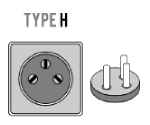
Type H Plug
Quick Specifications
- Pins:
- 3 round pins (triangular)
- Voltage:
- 220-240V
- Current:
- 16A
- Grounding:
- Yes
- Compatibility:
- Modern sockets accept C
Global Coverage
Related Plug Types
🧳 Travel Tip
Always check voltage compatibility. Most modern electronics are dual-voltage (100-240V), but older devices may require a voltage converter.
