🌍 Why Electrical Standards Matter for Travelers
There are 15 different plug types used across 227 countries and territories, with voltages ranging from 100V to 240V. Using the wrong adapter or plugging into incompatible voltage can damage your devices or even cause electrical hazards.
Did you know? The UK uses Type G plugs with built-in fuses, while Europe uses Types C, E, and F. The US uses Types A and B at 120V, but most of the world operates at 220-240V.
When traveling internationally, ensuring you can charge your essential devices—phones, laptops, cameras, and medical equipment—is crucial. Different countries have evolved their own electrical standards over the past century, resulting in a complex global landscape of plug types, voltages, and frequencies.
✅ What This Guide Provides:
- • Plug types for 227 countries & territories
- • Voltage and frequency standards
- • Adapter compatibility charts
- • Safety tips for each destination
- • Visual plug identification
- • Universal adapter recommendations
⚠️ Common Travel Mistakes:
- • Forgetting voltage converters (not just adapters)
- • Using cheap, unsafe adapters
- • Not checking device voltage ratings
- • Assuming neighboring countries match
- • Buying adapters at airports (3x price)
- • Not having backup charging options
💡 Pro Tip: The 80% Rule
A universal adapter covering Types A, C, G, and I will work in approximately 80% of countries worldwide. However, always check your specific destination as some countries (like India with Type D, Israel with Type H, or South Africa with Type M) require specific adapters.
🌎 Interactive World Electrical Standards Map
View plug types, voltage, and adapter needs
See quick info without clicking
Similar electrical systems share colors
Loading map...
Global Electrical Standards by Region:
Electric Plug Types
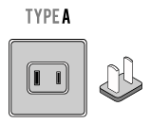
Type A
Type A plugs are used primarily in North America, Central America, and parts of South America and Asia. They have two flat parallel pins and no grounding pin. This plug type is rated for 15 A and is used with devices that require less power.
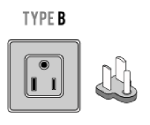
Type B
Type B is similar to Type A but includes a third pin for grounding. It is the standard grounded plug in North America. The grounding pin is longer than the other two so that it makes contact first, providing extra safety.
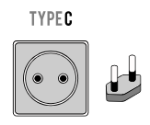
Type C
Type C plugs are commonly called "Europlug" and are used throughout Europe, Asia, and South America. They have two round pins and no grounding. This plug type is designed to fit into any socket that accepts 4.0 – 4.8 mm round contacts with 19 mm spacing.
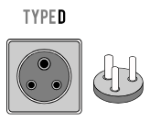
Type D
Type D plugs have three round pins and are used primarily in India, Sri Lanka, Nepal, and some African countries. This plug type is based on the old British 5 amp BS 546 plug. The pins are arranged in a triangular pattern.
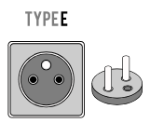
Type E
Type E plugs are used in France, Belgium, Poland, Slovakia, and some other European and African countries. They have two round pins like Type C, but also have a hole for the socket's grounding pin.
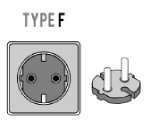
Type F
Type F plugs are commonly called "Schuko" plugs (from "Schutzkontakt" meaning protective contact). They are used in Germany, Austria, Netherlands, Sweden, Norway, Finland, and many other European countries. They have two round pins and two grounding clips.
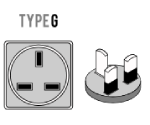
Type G
Type G plugs are used in the United Kingdom, Ireland, Cyprus, Malta, Malaysia, Singapore, and Hong Kong. They have three rectangular pins in a triangular pattern and include a fuse in the plug for additional safety.
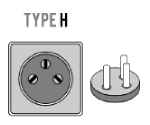
Type H
Type H plugs are used exclusively in Israel and Palestine. They have three flat pins arranged in a triangle pattern. This plug type is unique to Israel and is not compatible with plugs from other countries.
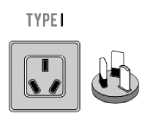
Type I
Type I plugs are used in Australia, New Zealand, Papua New Guinea, and Argentina. They have two flat angled pins and may include a grounding pin. The pins form a distinctive upside-down V shape.
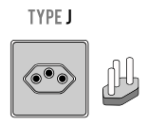
Type J
Type J plugs are used in Switzerland and Liechtenstein. They have three round pins: two for the line and neutral, and one offset grounding pin. Type C plugs can be used in Type J sockets.
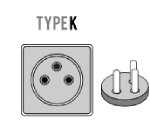
Type K
Type K plugs are used primarily in Denmark and Greenland. They have two round pins like Type C, plus a grounding pin. Denmark is gradually switching to Type E plugs for new installations.
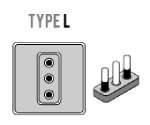
Type L
Type L plugs are used in Italy and Chile. They have three round pins in a straight line. There are two versions: 10A and 16A. The 10A version is compatible with Type C plugs.
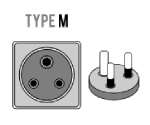
Type M
Type M plugs are used in South Africa, Swaziland, and Lesotho. They have three large round pins and are based on the old British 15 amp BS 546 plug. This is a larger version of the Type D plug.
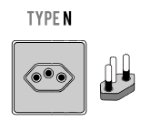
Type N
Type N plugs are used in Brazil. This is a newer IEC standard that was developed to be safer and more versatile. It can accept both Type C plugs and Type N plugs, and includes grounding.
All Countries And Plug Types
| Flag | Country ↑ | Plug Types | Voltage/Hz | Description |
|---|---|---|---|---|
 | Afghanistan | Type C, Type F | 220V / 50Hz | Afghanistan uses Type C, Type F electrical outlets with 220V at 50Hz frequency. European standard system compatible with most continental European devices. Widely adopted for international compatibility. |
 | Albania | Type F, Type C | 230V / 50Hz | Albania uses Type F, Type C electrical outlets with 230V at 50Hz frequency. European standard system compatible with most continental European devices. Widely adopted for international compatibility. |
 | Algeria | Type F, Type C | 230V / 50Hz | Algeria uses Type F, Type C electrical outlets with 230V at 50Hz frequency. European standard system compatible with most continental European devices. Widely adopted for international compatibility. |
 | Argentina | Type I, Type C | 220V / 50Hz | Argentina uses Type I, Type C electrical outlets with 220V at 50Hz frequency. Australian/New Zealand standard with angled pins for secure connection. Unique design prevents accidental disconnection. |
 | Armenia | Type F, Type C | 230V / 50Hz | Armenia uses Type F, Type C electrical outlets with 230V at 50Hz frequency. European standard system compatible with most continental European devices. Widely adopted for international compatibility. |
 | Australia | Type I | 230V / 50Hz | Australia uses Type I electrical outlets with 230V at 50Hz frequency. Australian/New Zealand standard with angled pins for secure connection. Unique design prevents accidental disconnection. |
 | Austria | Type F, Type C | 230V / 50Hz | Austria uses Type F, Type C electrical outlets with 230V at 50Hz frequency. European standard system compatible with most continental European devices. Widely adopted for international compatibility. |
 | Azerbaijan | Type F, Type C | 220V / 50Hz | Azerbaijan uses Type F, Type C electrical outlets with 220V at 50Hz frequency. European standard system compatible with most continental European devices. Widely adopted for international compatibility. |
 | Bahamas | Type B, Type A | 120V / 60Hz | Bahamas uses Type B, Type A electrical outlets with 120V at 60Hz frequency. Standard North American electrical system with grounded and ungrounded outlets. Most modern electronics work without adapters. |
 | Bahrain | Type G | 230V / 50Hz | Bahrain uses Type G electrical outlets with 230V at 50Hz frequency. British-style three-pin system with built-in fuses for enhanced safety. Distinctive rectangular pins require specific adapters. |
 | Bangladesh | Type G, Type C, Type D | 220V / 50Hz | Bangladesh uses Type G, Type C, Type D electrical outlets with 220V at 50Hz frequency. British-style three-pin system with built-in fuses for enhanced safety. Distinctive rectangular pins require specific adapters. |
 | Barbados | Type B, Type A | 115V / 50Hz | Barbados uses Type B, Type A electrical outlets with 115V at 50Hz frequency. Standard North American electrical system with grounded and ungrounded outlets. Most modern electronics work without adapters. |
 | Belarus | Type F, Type C | 220V / 50Hz | Belarus uses Type F, Type C electrical outlets with 220V at 50Hz frequency. European standard system compatible with most continental European devices. Widely adopted for international compatibility. |
 | Belgium | Type E, Type C | 230V / 50Hz | Belgium uses Type E, Type C electrical outlets with 230V at 50Hz frequency. European standard system compatible with most continental European devices. Widely adopted for international compatibility. |
 | Belize | Type B, Type A | 110V / 60Hz | Belize uses Type B, Type A electrical outlets with 110V at 60Hz frequency. Standard North American electrical system with grounded and ungrounded outlets. Most modern electronics work without adapters. |
 | Benin | Type E, Type C | 220V / 50Hz | Benin uses Type E, Type C electrical outlets with 220V at 50Hz frequency. European standard system compatible with most continental European devices. Widely adopted for international compatibility. |
 | Bhutan | Type D, Type C, Type G | 230V / 50Hz | Bhutan uses Type D, Type C, Type G electrical outlets with 230V at 50Hz frequency. British-style three-pin system with built-in fuses for enhanced safety. Distinctive rectangular pins require specific adapters. |
 | Bolivia | Type A, Type C | 230V / 50Hz | Bolivia uses Type A, Type C electrical outlets with 230V at 50Hz frequency. European standard system compatible with most continental European devices. Widely adopted for international compatibility. |
 | Bosnia and Herzegovina | Type F, Type C | 230V / 50Hz | Bosnia and Herzegovina uses Type F, Type C electrical outlets with 230V at 50Hz frequency. European standard system compatible with most continental European devices. Widely adopted for international compatibility. |
 | Botswana | Type D, Type G, Type M | 230V / 50Hz | Botswana uses Type D, Type G, Type M electrical outlets with 230V at 50Hz frequency. British-style three-pin system with built-in fuses for enhanced safety. Distinctive rectangular pins require specific adapters. |
 | Brazil | Type N, Type C, Type A | 127V / 60Hz | Brazil uses Type N, Type C, Type A electrical outlets with 127V at 60Hz frequency. European standard system compatible with most continental European devices. Widely adopted for international compatibility. |
 | Brunei | Type G | 240V / 50Hz | Brunei uses Type G electrical outlets with 240V at 50Hz frequency. British-style three-pin system with built-in fuses for enhanced safety. Distinctive rectangular pins require specific adapters. |
 | Bulgaria | Type F, Type C | 230V / 50Hz | Bulgaria uses Type F, Type C electrical outlets with 230V at 50Hz frequency. European standard system compatible with most continental European devices. Widely adopted for international compatibility. |
 | Burkina Faso | Type E, Type C | 220V / 50Hz | Burkina Faso uses Type E, Type C electrical outlets with 220V at 50Hz frequency. European standard system compatible with most continental European devices. Widely adopted for international compatibility. |
 | Burundi | Type C, Type E | 220V / 50Hz | Burundi uses Type C, Type E electrical outlets with 220V at 50Hz frequency. European standard system compatible with most continental European devices. Widely adopted for international compatibility. |
 | Cabo Verde | Type F, Type C | 220V / 50Hz | Cabo Verde uses Type F, Type C electrical outlets with 220V at 50Hz frequency. European standard system compatible with most continental European devices. Widely adopted for international compatibility. |
 | Cambodia | Type A, Type C, Type G | 230V / 50Hz | Cambodia uses Type A, Type C, Type G electrical outlets with 230V at 50Hz frequency. British-style three-pin system with built-in fuses for enhanced safety. Distinctive rectangular pins require specific adapters. |
 | Cameroon | Type E, Type C | 220V / 50Hz | Cameroon uses Type E, Type C electrical outlets with 220V at 50Hz frequency. European standard system compatible with most continental European devices. Widely adopted for international compatibility. |
 | Canada | Type B, Type A | 120V / 60Hz | Canada uses Type B, Type A electrical outlets with 120V at 60Hz frequency. Standard North American electrical system with grounded and ungrounded outlets. Most modern electronics work without adapters. |
 | Central African Republic | Type E, Type C | 220V / 50Hz | Central African Republic uses Type E, Type C electrical outlets with 220V at 50Hz frequency. European standard system compatible with most continental European devices. Widely adopted for international compatibility. |
 | Chad | Type E, Type C | 220V / 50Hz | Chad uses Type E, Type C electrical outlets with 220V at 50Hz frequency. European standard system compatible with most continental European devices. Widely adopted for international compatibility. |
 | Chile | Type C, Type L | 220V / 50Hz | Chile uses Type C, Type L electrical outlets with 220V at 50Hz frequency. European standard system compatible with most continental European devices. Widely adopted for international compatibility. |
 | China | Type A, Type I, Type C | 220V / 50Hz | China uses Type A, Type I, Type C electrical outlets with 220V at 50Hz frequency. Australian/New Zealand standard with angled pins for secure connection. Unique design prevents accidental disconnection. |
 | Colombia | Type A, Type B | 110V / 60Hz | Colombia uses Type A, Type B electrical outlets with 110V at 60Hz frequency. Standard North American electrical system with grounded and ungrounded outlets. Most modern electronics work without adapters. |
 | Comoros | Type E, Type C | 220V / 50Hz | Comoros uses Type E, Type C electrical outlets with 220V at 50Hz frequency. European standard system compatible with most continental European devices. Widely adopted for international compatibility. |
 | Congo | Type E, Type C | 220V / 50Hz | Congo uses Type E, Type C electrical outlets with 220V at 50Hz frequency. European standard system compatible with most continental European devices. Widely adopted for international compatibility. |
 | Cook Islands | Type I | 240V / 50Hz | Cook Islands uses Type I electrical outlets with 240V at 50Hz frequency. Australian/New Zealand standard with angled pins for secure connection. Unique design prevents accidental disconnection. |
 | Costa Rica | Type B, Type A | 120V / 60Hz | Costa Rica uses Type B, Type A electrical outlets with 120V at 60Hz frequency. Standard North American electrical system with grounded and ungrounded outlets. Most modern electronics work without adapters. |
 | Côte d'Ivoire | Type E, Type C | 220V / 50Hz | Côte d'Ivoire uses Type E, Type C electrical outlets with 220V at 50Hz frequency. European standard system compatible with most continental European devices. Widely adopted for international compatibility. |
 | Croatia | Type F, Type C | 230V / 50Hz | Croatia uses Type F, Type C electrical outlets with 230V at 50Hz frequency. European standard system compatible with most continental European devices. Widely adopted for international compatibility. |
 | Cuba | Type A, Type B, Type C | 110V / 60Hz | Cuba uses Type A, Type B, Type C electrical outlets with 110V at 60Hz frequency. Standard North American electrical system with grounded and ungrounded outlets. Most modern electronics work without adapters. |
 | Cyprus | Type G | 240V / 50Hz | Cyprus uses Type G electrical outlets with 240V at 50Hz frequency. British-style three-pin system with built-in fuses for enhanced safety. Distinctive rectangular pins require specific adapters. |
 | Czech Republic | Type F, Type C | 230V / 50Hz | Czech Republic uses Type F, Type C electrical outlets with 230V at 50Hz frequency. European standard system compatible with most continental European devices. Widely adopted for international compatibility. |
 | Democratic Republic of the Congo | Type C, Type E | 220V / 50Hz | Democratic Republic of the Congo uses Type C, Type E electrical outlets with 220V at 50Hz frequency. European standard system compatible with most continental European devices. Widely adopted for international compatibility. |
 | Denmark | Type K, Type C, Type F | 230V / 50Hz | Denmark uses Type K, Type C, Type F electrical outlets with 230V at 50Hz frequency. European standard system compatible with most continental European devices. Widely adopted for international compatibility. |
 | Djibouti | Type E, Type C | 220V / 50Hz | Djibouti uses Type E, Type C electrical outlets with 220V at 50Hz frequency. European standard system compatible with most continental European devices. Widely adopted for international compatibility. |
 | Dominica | Type G | 230V / 50Hz | Dominica uses Type G electrical outlets with 230V at 50Hz frequency. British-style three-pin system with built-in fuses for enhanced safety. Distinctive rectangular pins require specific adapters. |
 | Dominican Republic | Type B, Type A | 110V / 60Hz | Dominican Republic uses Type B, Type A electrical outlets with 110V at 60Hz frequency. Standard North American electrical system with grounded and ungrounded outlets. Most modern electronics work without adapters. |
 | Ecuador | Type A, Type B | 120V / 60Hz | Ecuador uses Type A, Type B electrical outlets with 120V at 60Hz frequency. Standard North American electrical system with grounded and ungrounded outlets. Most modern electronics work without adapters. |
 | Egypt | Type C, Type F | 220V / 50Hz | Egypt uses Type C, Type F electrical outlets with 220V at 50Hz frequency. European standard system compatible with most continental European devices. Widely adopted for international compatibility. |
 | El Salvador | Type B, Type A | 115V / 60Hz | El Salvador uses Type B, Type A electrical outlets with 115V at 60Hz frequency. Standard North American electrical system with grounded and ungrounded outlets. Most modern electronics work without adapters. |
 | Equatorial Guinea | Type E, Type C | 220V / 50Hz | Equatorial Guinea uses Type E, Type C electrical outlets with 220V at 50Hz frequency. European standard system compatible with most continental European devices. Widely adopted for international compatibility. |
 | Eritrea | Type C, Type L | 230V / 50Hz | Eritrea uses Type C, Type L electrical outlets with 230V at 50Hz frequency. European standard system compatible with most continental European devices. Widely adopted for international compatibility. |
 | Estonia | Type F, Type C | 230V / 50Hz | Estonia uses Type F, Type C electrical outlets with 230V at 50Hz frequency. European standard system compatible with most continental European devices. Widely adopted for international compatibility. |
 | Eswatini | Type M, Type D | 230V / 50Hz | Eswatini uses Type M, Type D electrical outlets with 230V at 50Hz frequency. Three-pin system common in former British colonies. Larger Type M for high-power appliances, Type D for general use. |
 | Ethiopia | Type C, Type F | 220V / 50Hz | Ethiopia uses Type C, Type F electrical outlets with 220V at 50Hz frequency. European standard system compatible with most continental European devices. Widely adopted for international compatibility. |
 | Fiji | Type I | 240V / 50Hz | Fiji uses Type I electrical outlets with 240V at 50Hz frequency. Australian/New Zealand standard with angled pins for secure connection. Unique design prevents accidental disconnection. |
 | Finland | Type F, Type C | 230V / 50Hz | Finland uses Type F, Type C electrical outlets with 230V at 50Hz frequency. European standard system compatible with most continental European devices. Widely adopted for international compatibility. |
 | France | Type E, Type C | 230V / 50Hz | France uses Type E, Type C electrical outlets with 230V at 50Hz frequency. European standard system compatible with most continental European devices. Widely adopted for international compatibility. |
 | Gabon | Type C | 220V / 50Hz | Gabon uses Type C electrical outlets with 220V at 50Hz frequency. European standard system compatible with most continental European devices. Widely adopted for international compatibility. |
 | Gambia | Type G | 230V / 50Hz | Gambia uses Type G electrical outlets with 230V at 50Hz frequency. British-style three-pin system with built-in fuses for enhanced safety. Distinctive rectangular pins require specific adapters. |
 | Georgia | Type F, Type C | 220V / 50Hz | Georgia uses Type F, Type C electrical outlets with 220V at 50Hz frequency. European standard system compatible with most continental European devices. Widely adopted for international compatibility. |
 | Germany | Type F, Type C | 230V / 50Hz | Germany uses Type F, Type C electrical outlets with 230V at 50Hz frequency. European standard system compatible with most continental European devices. Widely adopted for international compatibility. |
 | Ghana | Type G, Type D | 230V / 50Hz | Ghana uses Type G, Type D electrical outlets with 230V at 50Hz frequency. British-style three-pin system with built-in fuses for enhanced safety. Distinctive rectangular pins require specific adapters. |
 | Greece | Type F, Type C | 230V / 50Hz | Greece uses Type F, Type C electrical outlets with 230V at 50Hz frequency. European standard system compatible with most continental European devices. Widely adopted for international compatibility. |
 | Greenland | Type K, Type C | 230V / 50Hz | Greenland uses Type K, Type C electrical outlets with 230V at 50Hz frequency. European standard system compatible with most continental European devices. Widely adopted for international compatibility. |
 | Grenada | Type G | 230V / 50Hz | Grenada uses Type G electrical outlets with 230V at 50Hz frequency. British-style three-pin system with built-in fuses for enhanced safety. Distinctive rectangular pins require specific adapters. |
 | Guatemala | Type B, Type A | 120V / 60Hz | Guatemala uses Type B, Type A electrical outlets with 120V at 60Hz frequency. Standard North American electrical system with grounded and ungrounded outlets. Most modern electronics work without adapters. |
 | Guinea | Type E, Type C | 220V / 50Hz | Guinea uses Type E, Type C electrical outlets with 220V at 50Hz frequency. European standard system compatible with most continental European devices. Widely adopted for international compatibility. |
 | Guinea-Bissau | Type C | 220V / 50Hz | Guinea-Bissau uses Type C electrical outlets with 220V at 50Hz frequency. European standard system compatible with most continental European devices. Widely adopted for international compatibility. |
 | Guyana | Type G, Type A, Type B | 240V / 60Hz | Guyana uses Type G, Type A, Type B electrical outlets with 240V at 60Hz frequency. Standard North American electrical system with grounded and ungrounded outlets. Most modern electronics work without adapters. |
 | Haiti | Type A, Type B | 110V / 60Hz | Haiti uses Type A, Type B electrical outlets with 110V at 60Hz frequency. Standard North American electrical system with grounded and ungrounded outlets. Most modern electronics work without adapters. |
 | Honduras | Type B, Type A | 120V / 60Hz | Honduras uses Type B, Type A electrical outlets with 120V at 60Hz frequency. Standard North American electrical system with grounded and ungrounded outlets. Most modern electronics work without adapters. |
 | Hong Kong | Type G | 220V / 50Hz | Hong Kong uses Type G electrical outlets with 220V at 50Hz frequency. British-style three-pin system with built-in fuses for enhanced safety. Distinctive rectangular pins require specific adapters. |
 | Hungary | Type F, Type C | 230V / 50Hz | Hungary uses Type F, Type C electrical outlets with 230V at 50Hz frequency. European standard system compatible with most continental European devices. Widely adopted for international compatibility. |
 | Iceland | Type F, Type C | 230V / 50Hz | Iceland uses Type F, Type C electrical outlets with 230V at 50Hz frequency. European standard system compatible with most continental European devices. Widely adopted for international compatibility. |
 | India | Type D, Type M, Type C | 230V / 50Hz | India uses Type D, Type M, Type C electrical outlets with 230V at 50Hz frequency. European standard system compatible with most continental European devices. Widely adopted for international compatibility. |
 | Indonesia | Type C, Type F | 220V / 50Hz | Indonesia uses Type C, Type F electrical outlets with 220V at 50Hz frequency. European standard system compatible with most continental European devices. Widely adopted for international compatibility. |
 | Iran | Type C, Type F | 220V / 50Hz | Iran uses Type C, Type F electrical outlets with 220V at 50Hz frequency. European standard system compatible with most continental European devices. Widely adopted for international compatibility. |
 | Iraq | Type D, Type G | 230V / 50Hz | Iraq uses Type D, Type G electrical outlets with 230V at 50Hz frequency. British-style three-pin system with built-in fuses for enhanced safety. Distinctive rectangular pins require specific adapters. |
 | Ireland | Type G | 230V / 50Hz | Ireland uses Type G electrical outlets with 230V at 50Hz frequency. British-style three-pin system with built-in fuses for enhanced safety. Distinctive rectangular pins require specific adapters. |
 | Isle of Man | Type G | 240V / 50Hz | Isle of Man uses Type G electrical outlets with 240V at 50Hz frequency. British-style three-pin system with built-in fuses for enhanced safety. Distinctive rectangular pins require specific adapters. |
 | Israel | Type H | 230V / 50Hz | Israel uses Type H electrical outlets with 230V at 50Hz frequency. Regional electrical standard requiring specific adapters for international travelers. Check device compatibility before travel. |
 | Italy | Type F, Type L, Type C | 230V / 50Hz | Italy uses Type F, Type L, Type C electrical outlets with 230V at 50Hz frequency. European standard system compatible with most continental European devices. Widely adopted for international compatibility. |
 | Jamaica | Type B, Type A | 110V / 50Hz | Jamaica uses Type B, Type A electrical outlets with 110V at 50Hz frequency. Standard North American electrical system with grounded and ungrounded outlets. Most modern electronics work without adapters. |
 | Japan | Type A, Type B | 100V / 50Hz | Japan uses Type A, Type B electrical outlets with 100V at 50Hz frequency. Standard North American electrical system with grounded and ungrounded outlets. Most modern electronics work without adapters. |
 | Jersey | Type G | 230V / 50Hz | Jersey uses Type G electrical outlets with 230V at 50Hz frequency. British-style three-pin system with built-in fuses for enhanced safety. Distinctive rectangular pins require specific adapters. |
 | Jordan | Type G, Type C, Type D | 230V / 50Hz | Jordan uses Type G, Type C, Type D electrical outlets with 230V at 50Hz frequency. British-style three-pin system with built-in fuses for enhanced safety. Distinctive rectangular pins require specific adapters. |
 | Kazakhstan | Type F, Type C | 220V / 50Hz | Kazakhstan uses Type F, Type C electrical outlets with 220V at 50Hz frequency. European standard system compatible with most continental European devices. Widely adopted for international compatibility. |
 | Kenya | Type G | 240V / 50Hz | Kenya uses Type G electrical outlets with 240V at 50Hz frequency. British-style three-pin system with built-in fuses for enhanced safety. Distinctive rectangular pins require specific adapters. |
 | Kiribati | Type I | 240V / 50Hz | Kiribati uses Type I electrical outlets with 240V at 50Hz frequency. Australian/New Zealand standard with angled pins for secure connection. Unique design prevents accidental disconnection. |
 | Kuwait | Type G | 240V / 50Hz | Kuwait uses Type G electrical outlets with 240V at 50Hz frequency. British-style three-pin system with built-in fuses for enhanced safety. Distinctive rectangular pins require specific adapters. |
 | Kyrgyzstan | Type C, Type F | 220V / 50Hz | Kyrgyzstan uses Type C, Type F electrical outlets with 220V at 50Hz frequency. European standard system compatible with most continental European devices. Widely adopted for international compatibility. |
 | Laos | Type A, Type B, Type C | 230V / 50Hz | Laos uses Type A, Type B, Type C electrical outlets with 230V at 50Hz frequency. Standard North American electrical system with grounded and ungrounded outlets. Most modern electronics work without adapters. |
 | Latvia | Type F, Type C | 230V / 50Hz | Latvia uses Type F, Type C electrical outlets with 230V at 50Hz frequency. European standard system compatible with most continental European devices. Widely adopted for international compatibility. |
 | Lebanon | Type D, Type G, Type A | 220V / 50Hz | Lebanon uses Type D, Type G, Type A electrical outlets with 220V at 50Hz frequency. British-style three-pin system with built-in fuses for enhanced safety. Distinctive rectangular pins require specific adapters. |
 | Lesotho | Type M | 220V / 50Hz | Lesotho uses Type M electrical outlets with 220V at 50Hz frequency. Three-pin system common in former British colonies. Larger Type M for high-power appliances, Type D for general use. |
 | Liberia | Type B, Type A | 120V / 60Hz | Liberia uses Type B, Type A electrical outlets with 120V at 60Hz frequency. Standard North American electrical system with grounded and ungrounded outlets. Most modern electronics work without adapters. |
 | Libya | Type D, Type C | 127V / 50Hz | Libya uses Type D, Type C electrical outlets with 127V at 50Hz frequency. European standard system compatible with most continental European devices. Widely adopted for international compatibility. |
 | Liechtenstein | Type J, Type C | 230V / 50Hz | Liechtenstein uses Type J, Type C electrical outlets with 230V at 50Hz frequency. European standard system compatible with most continental European devices. Widely adopted for international compatibility. |
 | Lithuania | Type F, Type C | 230V / 50Hz | Lithuania uses Type F, Type C electrical outlets with 230V at 50Hz frequency. European standard system compatible with most continental European devices. Widely adopted for international compatibility. |
 | Luxembourg | Type F, Type C | 230V / 50Hz | Luxembourg uses Type F, Type C electrical outlets with 230V at 50Hz frequency. European standard system compatible with most continental European devices. Widely adopted for international compatibility. |
 | Macao | Type G, Type D | 220V / 50Hz | Macao uses Type G, Type D electrical outlets with 220V at 50Hz frequency. British-style three-pin system with built-in fuses for enhanced safety. Distinctive rectangular pins require specific adapters. |
 | Madagascar | Type C, Type E | 220V / 50Hz | Madagascar uses Type C, Type E electrical outlets with 220V at 50Hz frequency. European standard system compatible with most continental European devices. Widely adopted for international compatibility. |
 | Malawi | Type G | 230V / 50Hz | Malawi uses Type G electrical outlets with 230V at 50Hz frequency. British-style three-pin system with built-in fuses for enhanced safety. Distinctive rectangular pins require specific adapters. |
 | Malaysia | Type G | 240V / 50Hz | Malaysia uses Type G electrical outlets with 240V at 50Hz frequency. British-style three-pin system with built-in fuses for enhanced safety. Distinctive rectangular pins require specific adapters. |
 | Maldives | Type D, Type G | 230V / 50Hz | Maldives uses Type D, Type G electrical outlets with 230V at 50Hz frequency. British-style three-pin system with built-in fuses for enhanced safety. Distinctive rectangular pins require specific adapters. |
 | Mali | Type E, Type C | 220V / 50Hz | Mali uses Type E, Type C electrical outlets with 220V at 50Hz frequency. European standard system compatible with most continental European devices. Widely adopted for international compatibility. |
 | Malta | Type G | 230V / 50Hz | Malta uses Type G electrical outlets with 230V at 50Hz frequency. British-style three-pin system with built-in fuses for enhanced safety. Distinctive rectangular pins require specific adapters. |
 | Marshall Islands | Type B, Type A | 120V / 60Hz | Marshall Islands uses Type B, Type A electrical outlets with 120V at 60Hz frequency. Standard North American electrical system with grounded and ungrounded outlets. Most modern electronics work without adapters. |
 | Mauritania | Type C | 220V / 50Hz | Mauritania uses Type C electrical outlets with 220V at 50Hz frequency. European standard system compatible with most continental European devices. Widely adopted for international compatibility. |
 | Mauritius | Type G, Type C | 230V / 50Hz | Mauritius uses Type G, Type C electrical outlets with 230V at 50Hz frequency. British-style three-pin system with built-in fuses for enhanced safety. Distinctive rectangular pins require specific adapters. |
 | Mexico | Type B, Type A | 127V / 60Hz | Mexico uses Type B, Type A electrical outlets with 127V at 60Hz frequency. Standard North American electrical system with grounded and ungrounded outlets. Most modern electronics work without adapters. |
 | Micronesia | Type B, Type A | 120V / 60Hz | Micronesia uses Type B, Type A electrical outlets with 120V at 60Hz frequency. Standard North American electrical system with grounded and ungrounded outlets. Most modern electronics work without adapters. |
 | Moldova | Type F, Type C | 230V / 50Hz | Moldova uses Type F, Type C electrical outlets with 230V at 50Hz frequency. European standard system compatible with most continental European devices. Widely adopted for international compatibility. |
 | Monaco | Type E, Type C | 230V / 50Hz | Monaco uses Type E, Type C electrical outlets with 230V at 50Hz frequency. European standard system compatible with most continental European devices. Widely adopted for international compatibility. |
 | Mongolia | Type C, Type E | 220V / 50Hz | Mongolia uses Type C, Type E electrical outlets with 220V at 50Hz frequency. European standard system compatible with most continental European devices. Widely adopted for international compatibility. |
 | Montenegro | Type F, Type C | 230V / 50Hz | Montenegro uses Type F, Type C electrical outlets with 230V at 50Hz frequency. European standard system compatible with most continental European devices. Widely adopted for international compatibility. |
 | Morocco | Type E, Type C | 220V / 50Hz | Morocco uses Type E, Type C electrical outlets with 220V at 50Hz frequency. European standard system compatible with most continental European devices. Widely adopted for international compatibility. |
 | Mozambique | Type C, Type F, Type M | 220V / 50Hz | Mozambique uses Type C, Type F, Type M electrical outlets with 220V at 50Hz frequency. European standard system compatible with most continental European devices. Widely adopted for international compatibility. |
 | Myanmar | Type D, Type G, Type C | 230V / 50Hz | Myanmar uses Type D, Type G, Type C electrical outlets with 230V at 50Hz frequency. British-style three-pin system with built-in fuses for enhanced safety. Distinctive rectangular pins require specific adapters. |
 | Namibia | Type M | 220V / 50Hz | Namibia uses Type M electrical outlets with 220V at 50Hz frequency. Three-pin system common in former British colonies. Larger Type M for high-power appliances, Type D for general use. |
 | Nauru | Type I | 240V / 50Hz | Nauru uses Type I electrical outlets with 240V at 50Hz frequency. Australian/New Zealand standard with angled pins for secure connection. Unique design prevents accidental disconnection. |
 | Nepal | Type D, Type C | 230V / 50Hz | Nepal uses Type D, Type C electrical outlets with 230V at 50Hz frequency. European standard system compatible with most continental European devices. Widely adopted for international compatibility. |
 | Netherlands | Type F, Type C | 230V / 50Hz | Netherlands uses Type F, Type C electrical outlets with 230V at 50Hz frequency. European standard system compatible with most continental European devices. Widely adopted for international compatibility. |
 | New Zealand | Type I | 230V / 50Hz | New Zealand uses Type I electrical outlets with 230V at 50Hz frequency. Australian/New Zealand standard with angled pins for secure connection. Unique design prevents accidental disconnection. |
 | Nicaragua | Type B, Type A | 120V / 60Hz | Nicaragua uses Type B, Type A electrical outlets with 120V at 60Hz frequency. Standard North American electrical system with grounded and ungrounded outlets. Most modern electronics work without adapters. |
 | Niger | Type E, Type C | 220V / 50Hz | Niger uses Type E, Type C electrical outlets with 220V at 50Hz frequency. European standard system compatible with most continental European devices. Widely adopted for international compatibility. |
 | Nigeria | Type G, Type D | 230V / 50Hz | Nigeria uses Type G, Type D electrical outlets with 230V at 50Hz frequency. British-style three-pin system with built-in fuses for enhanced safety. Distinctive rectangular pins require specific adapters. |
 | Niue | Type I | 230V / 50Hz | Niue uses Type I electrical outlets with 230V at 50Hz frequency. Australian/New Zealand standard with angled pins for secure connection. Unique design prevents accidental disconnection. |
 | Norfolk Island | Type I | 240V / 50Hz | Norfolk Island uses Type I electrical outlets with 240V at 50Hz frequency. Australian/New Zealand standard with angled pins for secure connection. Unique design prevents accidental disconnection. |
 | North Korea | Type C, Type F | 220V / 50Hz | North Korea uses Type C, Type F electrical outlets with 220V at 50Hz frequency. European standard system compatible with most continental European devices. Widely adopted for international compatibility. |
 | North Macedonia | Type F, Type C | 230V / 50Hz | North Macedonia uses Type F, Type C electrical outlets with 230V at 50Hz frequency. European standard system compatible with most continental European devices. Widely adopted for international compatibility. |
 | Northern Mariana Islands | Type B, Type A | 120V / 60Hz | Northern Mariana Islands uses Type B, Type A electrical outlets with 120V at 60Hz frequency. Standard North American electrical system with grounded and ungrounded outlets. Most modern electronics work without adapters. |
 | Norway | Type F, Type C | 230V / 50Hz | Norway uses Type F, Type C electrical outlets with 230V at 50Hz frequency. European standard system compatible with most continental European devices. Widely adopted for international compatibility. |
 | Oman | Type G | 240V / 50Hz | Oman uses Type G electrical outlets with 240V at 50Hz frequency. British-style three-pin system with built-in fuses for enhanced safety. Distinctive rectangular pins require specific adapters. |
 | Pakistan | Type D, Type G | 230V / 50Hz | Pakistan uses Type D, Type G electrical outlets with 230V at 50Hz frequency. British-style three-pin system with built-in fuses for enhanced safety. Distinctive rectangular pins require specific adapters. |
 | Palau | Type B, Type A | 120V / 60Hz | Palau uses Type B, Type A electrical outlets with 120V at 60Hz frequency. Standard North American electrical system with grounded and ungrounded outlets. Most modern electronics work without adapters. |
 | Palestine | Type H, Type C | 230V / 50Hz | Palestine uses Type H, Type C electrical outlets with 230V at 50Hz frequency. European standard system compatible with most continental European devices. Widely adopted for international compatibility. |
 | Panama | Type B, Type A | 120V / 60Hz | Panama uses Type B, Type A electrical outlets with 120V at 60Hz frequency. Standard North American electrical system with grounded and ungrounded outlets. Most modern electronics work without adapters. |
 | Papua New Guinea | Type I | 240V / 50Hz | Papua New Guinea uses Type I electrical outlets with 240V at 50Hz frequency. Australian/New Zealand standard with angled pins for secure connection. Unique design prevents accidental disconnection. |
 | Paraguay | Type C | 220V / 50Hz | Paraguay uses Type C electrical outlets with 220V at 50Hz frequency. European standard system compatible with most continental European devices. Widely adopted for international compatibility. |
 | Peru | Type A, Type B, Type C | 220V / 60Hz | Peru uses Type A, Type B, Type C electrical outlets with 220V at 60Hz frequency. Standard North American electrical system with grounded and ungrounded outlets. Most modern electronics work without adapters. |
 | Philippines | Type A, Type B, Type C | 220V / 60Hz | Philippines uses Type A, Type B, Type C electrical outlets with 220V at 60Hz frequency. Standard North American electrical system with grounded and ungrounded outlets. Most modern electronics work without adapters. |
 | Pitcairn Islands | Type I | 230V / 50Hz | Pitcairn Islands uses Type I electrical outlets with 230V at 50Hz frequency. Australian/New Zealand standard with angled pins for secure connection. Unique design prevents accidental disconnection. |
 | Poland | Type F, Type C | 230V / 50Hz | Poland uses Type F, Type C electrical outlets with 230V at 50Hz frequency. European standard system compatible with most continental European devices. Widely adopted for international compatibility. |
 | Portugal | Type F, Type C | 230V / 50Hz | Portugal uses Type F, Type C electrical outlets with 230V at 50Hz frequency. European standard system compatible with most continental European devices. Widely adopted for international compatibility. |
 | Puerto Rico | Type B, Type A | 120V / 60Hz | Puerto Rico uses Type B, Type A electrical outlets with 120V at 60Hz frequency. Standard North American electrical system with grounded and ungrounded outlets. Most modern electronics work without adapters. |
 | Qatar | Type G | 240V / 50Hz | Qatar uses Type G electrical outlets with 240V at 50Hz frequency. British-style three-pin system with built-in fuses for enhanced safety. Distinctive rectangular pins require specific adapters. |
 | Romania | Type F, Type C | 230V / 50Hz | Romania uses Type F, Type C electrical outlets with 230V at 50Hz frequency. European standard system compatible with most continental European devices. Widely adopted for international compatibility. |
 | Russia | Type F, Type C | 220V / 50Hz | Russia uses Type F, Type C electrical outlets with 220V at 50Hz frequency. European standard system compatible with most continental European devices. Widely adopted for international compatibility. |
 | Rwanda | Type C, Type J | 230V / 50Hz | Rwanda uses Type C, Type J electrical outlets with 230V at 50Hz frequency. European standard system compatible with most continental European devices. Widely adopted for international compatibility. |
 | Saint Barthélemy | Type E, Type C | 230V / 60Hz | Saint Barthélemy uses Type E, Type C electrical outlets with 230V at 60Hz frequency. European standard system compatible with most continental European devices. Widely adopted for international compatibility. |
 | Saint Helena | Type G | 240V / 50Hz | Saint Helena uses Type G electrical outlets with 240V at 50Hz frequency. British-style three-pin system with built-in fuses for enhanced safety. Distinctive rectangular pins require specific adapters. |
 | Saint Kitts and Nevis | Type G, Type D | 230V / 60Hz | Saint Kitts and Nevis uses Type G, Type D electrical outlets with 230V at 60Hz frequency. British-style three-pin system with built-in fuses for enhanced safety. Distinctive rectangular pins require specific adapters. |
 | Saint Lucia | Type G | 240V / 50Hz | Saint Lucia uses Type G electrical outlets with 240V at 50Hz frequency. British-style three-pin system with built-in fuses for enhanced safety. Distinctive rectangular pins require specific adapters. |
 | Saint Martin | Type E, Type C | 220V / 60Hz | Saint Martin uses Type E, Type C electrical outlets with 220V at 60Hz frequency. European standard system compatible with most continental European devices. Widely adopted for international compatibility. |
 | Saint Pierre and Miquelon | Type E | 230V / 50Hz | Saint Pierre and Miquelon uses Type E electrical outlets with 230V at 50Hz frequency. Regional electrical standard requiring specific adapters for international travelers. Check device compatibility before travel. |
 | Saint Vincent and the Grenadines | Type G, Type A, Type B | 230V / 50Hz | Saint Vincent and the Grenadines uses Type G, Type A, Type B electrical outlets with 230V at 50Hz frequency. Standard North American electrical system with grounded and ungrounded outlets. Most modern electronics work without adapters. |
 | Samoa | Type I | 230V / 50Hz | Samoa uses Type I electrical outlets with 230V at 50Hz frequency. Australian/New Zealand standard with angled pins for secure connection. Unique design prevents accidental disconnection. |
 | San Marino | Type F, Type L, Type C | 230V / 50Hz | San Marino uses Type F, Type L, Type C electrical outlets with 230V at 50Hz frequency. European standard system compatible with most continental European devices. Widely adopted for international compatibility. |
 | São Tomé and Príncipe | Type C, Type F | 220V / 50Hz | São Tomé and Príncipe uses Type C, Type F electrical outlets with 220V at 50Hz frequency. European standard system compatible with most continental European devices. Widely adopted for international compatibility. |
 | Saudi Arabia | Type G | 220V / 60Hz | Saudi Arabia uses Type G electrical outlets with 220V at 60Hz frequency. British-style three-pin system with built-in fuses for enhanced safety. Distinctive rectangular pins require specific adapters. |
 | Senegal | Type E, Type C | 230V / 50Hz | Senegal uses Type E, Type C electrical outlets with 230V at 50Hz frequency. European standard system compatible with most continental European devices. Widely adopted for international compatibility. |
 | Serbia | Type F, Type C | 230V / 50Hz | Serbia uses Type F, Type C electrical outlets with 230V at 50Hz frequency. European standard system compatible with most continental European devices. Widely adopted for international compatibility. |
 | Seychelles | Type G | 240V / 50Hz | Seychelles uses Type G electrical outlets with 240V at 50Hz frequency. British-style three-pin system with built-in fuses for enhanced safety. Distinctive rectangular pins require specific adapters. |
 | Sierra Leone | Type G, Type D | 230V / 50Hz | Sierra Leone uses Type G, Type D electrical outlets with 230V at 50Hz frequency. British-style three-pin system with built-in fuses for enhanced safety. Distinctive rectangular pins require specific adapters. |
 | Singapore | Type G | 230V / 50Hz | Singapore uses Type G electrical outlets with 230V at 50Hz frequency. British-style three-pin system with built-in fuses for enhanced safety. Distinctive rectangular pins require specific adapters. |
 | Sint Maarten | Type A, Type B | 110V / 60Hz | Sint Maarten uses Type A, Type B electrical outlets with 110V at 60Hz frequency. Standard North American electrical system with grounded and ungrounded outlets. Most modern electronics work without adapters. |
 | Slovakia | Type F, Type C | 230V / 50Hz | Slovakia uses Type F, Type C electrical outlets with 230V at 50Hz frequency. European standard system compatible with most continental European devices. Widely adopted for international compatibility. |
 | Slovenia | Type F, Type C | 230V / 50Hz | Slovenia uses Type F, Type C electrical outlets with 230V at 50Hz frequency. European standard system compatible with most continental European devices. Widely adopted for international compatibility. |
 | Solomon Islands | Type G, Type I | 220V / 50Hz | Solomon Islands uses Type G, Type I electrical outlets with 220V at 50Hz frequency. British-style three-pin system with built-in fuses for enhanced safety. Distinctive rectangular pins require specific adapters. |
 | Somalia | Type C | 220V / 50Hz | Somalia uses Type C electrical outlets with 220V at 50Hz frequency. European standard system compatible with most continental European devices. Widely adopted for international compatibility. |
 | South Africa | Type M, Type C, Type N | 230V / 50Hz | South Africa uses Type M, Type C, Type N electrical outlets with 230V at 50Hz frequency. European standard system compatible with most continental European devices. Widely adopted for international compatibility. |
 | South Georgia | Type G | 240V / 50Hz | South Georgia uses Type G electrical outlets with 240V at 50Hz frequency. British-style three-pin system with built-in fuses for enhanced safety. Distinctive rectangular pins require specific adapters. |
 | South Korea | Type F, Type C | 220V / 60Hz | South Korea uses Type F, Type C electrical outlets with 220V at 60Hz frequency. European standard system compatible with most continental European devices. Widely adopted for international compatibility. |
 | South Sudan | Type C, Type D | 230V / 50Hz | South Sudan uses Type C, Type D electrical outlets with 230V at 50Hz frequency. European standard system compatible with most continental European devices. Widely adopted for international compatibility. |
 | Spain | Type F, Type C | 230V / 50Hz | Spain uses Type F, Type C electrical outlets with 230V at 50Hz frequency. European standard system compatible with most continental European devices. Widely adopted for international compatibility. |
 | Sri Lanka | Type G, Type D | 230V / 50Hz | Sri Lanka uses Type G, Type D electrical outlets with 230V at 50Hz frequency. British-style three-pin system with built-in fuses for enhanced safety. Distinctive rectangular pins require specific adapters. |
 | Sudan | Type C, Type D | 230V / 50Hz | Sudan uses Type C, Type D electrical outlets with 230V at 50Hz frequency. European standard system compatible with most continental European devices. Widely adopted for international compatibility. |
 | Suriname | Type C, Type F | 127V / 60Hz | Suriname uses Type C, Type F electrical outlets with 127V at 60Hz frequency. European standard system compatible with most continental European devices. Widely adopted for international compatibility. |
 | Svalbard | Type F, Type C | 230V / 50Hz | Svalbard uses Type F, Type C electrical outlets with 230V at 50Hz frequency. European standard system compatible with most continental European devices. Widely adopted for international compatibility. |
 | Sweden | Type F, Type C | 230V / 50Hz | Sweden uses Type F, Type C electrical outlets with 230V at 50Hz frequency. European standard system compatible with most continental European devices. Widely adopted for international compatibility. |
 | Switzerland | Type J, Type C | 230V / 50Hz | Switzerland uses Type J, Type C electrical outlets with 230V at 50Hz frequency. European standard system compatible with most continental European devices. Widely adopted for international compatibility. |
 | Syria | Type C, Type E | 220V / 50Hz | Syria uses Type C, Type E electrical outlets with 220V at 50Hz frequency. European standard system compatible with most continental European devices. Widely adopted for international compatibility. |
 | Taiwan | Type A, Type B | 110V / 60Hz | Taiwan uses Type A, Type B electrical outlets with 110V at 60Hz frequency. Standard North American electrical system with grounded and ungrounded outlets. Most modern electronics work without adapters. |
 | Tajikistan | Type C, Type F | 220V / 50Hz | Tajikistan uses Type C, Type F electrical outlets with 220V at 50Hz frequency. European standard system compatible with most continental European devices. Widely adopted for international compatibility. |
 | Tanzania | Type G, Type D | 230V / 50Hz | Tanzania uses Type G, Type D electrical outlets with 230V at 50Hz frequency. British-style three-pin system with built-in fuses for enhanced safety. Distinctive rectangular pins require specific adapters. |
 | Thailand | Type A, Type B, Type C, Type O | 220V / 50Hz | Thailand uses Type A, Type B, Type C, Type O electrical outlets with 220V at 50Hz frequency. Standard North American electrical system with grounded and ungrounded outlets. Most modern electronics work without adapters. |
 | Timor-Leste | Type C, Type E, Type F | 220V / 50Hz | Timor-Leste uses Type C, Type E, Type F electrical outlets with 220V at 50Hz frequency. European standard system compatible with most continental European devices. Widely adopted for international compatibility. |
 | Togo | Type C | 220V / 50Hz | Togo uses Type C electrical outlets with 220V at 50Hz frequency. European standard system compatible with most continental European devices. Widely adopted for international compatibility. |
 | Tokelau | Type I | 230V / 50Hz | Tokelau uses Type I electrical outlets with 230V at 50Hz frequency. Australian/New Zealand standard with angled pins for secure connection. Unique design prevents accidental disconnection. |
 | Tonga | Type I | 240V / 50Hz | Tonga uses Type I electrical outlets with 240V at 50Hz frequency. Australian/New Zealand standard with angled pins for secure connection. Unique design prevents accidental disconnection. |
 | Trinidad and Tobago | Type B, Type A | 115V / 60Hz | Trinidad and Tobago uses Type B, Type A electrical outlets with 115V at 60Hz frequency. Standard North American electrical system with grounded and ungrounded outlets. Most modern electronics work without adapters. |
 | Tunisia | Type E, Type C | 230V / 50Hz | Tunisia uses Type E, Type C electrical outlets with 230V at 50Hz frequency. European standard system compatible with most continental European devices. Widely adopted for international compatibility. |
 | Turkey | Type F, Type C | 230V / 50Hz | Turkey uses Type F, Type C electrical outlets with 230V at 50Hz frequency. European standard system compatible with most continental European devices. Widely adopted for international compatibility. |
 | Turkmenistan | Type B, Type F | 220V / 50Hz | Turkmenistan uses Type B, Type F electrical outlets with 220V at 50Hz frequency. European standard system compatible with most continental European devices. Widely adopted for international compatibility. |
 | Turks and Caicos Islands | Type B, Type A | 120V / 60Hz | Turks and Caicos Islands uses Type B, Type A electrical outlets with 120V at 60Hz frequency. Standard North American electrical system with grounded and ungrounded outlets. Most modern electronics work without adapters. |
 | Tuvalu | Type I | 230V / 50Hz | Tuvalu uses Type I electrical outlets with 230V at 50Hz frequency. Australian/New Zealand standard with angled pins for secure connection. Unique design prevents accidental disconnection. |
 | Uganda | Type G | 240V / 50Hz | Uganda uses Type G electrical outlets with 240V at 50Hz frequency. British-style three-pin system with built-in fuses for enhanced safety. Distinctive rectangular pins require specific adapters. |
 | Ukraine | Type F, Type C | 230V / 50Hz | Ukraine uses Type F, Type C electrical outlets with 230V at 50Hz frequency. European standard system compatible with most continental European devices. Widely adopted for international compatibility. |
 | United Arab Emirates | Type G | 220V / 50Hz | United Arab Emirates uses Type G electrical outlets with 220V at 50Hz frequency. British-style three-pin system with built-in fuses for enhanced safety. Distinctive rectangular pins require specific adapters. |
 | United Kingdom | Type G | 230V / 50Hz | United Kingdom uses Type G electrical outlets with 230V at 50Hz frequency. British-style three-pin system with built-in fuses for enhanced safety. Distinctive rectangular pins require specific adapters. |
 | United States | Type B, Type A | 120V / 60Hz | United States uses Type B, Type A electrical outlets with 120V at 60Hz frequency. Standard North American electrical system with grounded and ungrounded outlets. Most modern electronics work without adapters. |
 | Uruguay | Type C, Type F | 220V / 50Hz | Uruguay uses Type C, Type F electrical outlets with 220V at 50Hz frequency. European standard system compatible with most continental European devices. Widely adopted for international compatibility. |
 | US Virgin Islands | Type B, Type A | 110V / 60Hz | US Virgin Islands uses Type B, Type A electrical outlets with 110V at 60Hz frequency. Standard North American electrical system with grounded and ungrounded outlets. Most modern electronics work without adapters. |
 | Uzbekistan | Type C, Type F | 220V / 50Hz | Uzbekistan uses Type C, Type F electrical outlets with 220V at 50Hz frequency. European standard system compatible with most continental European devices. Widely adopted for international compatibility. |
 | Vanuatu | Type I | 220V / 50Hz | Vanuatu uses Type I electrical outlets with 220V at 50Hz frequency. Australian/New Zealand standard with angled pins for secure connection. Unique design prevents accidental disconnection. |
 | Vatican City | Type F, Type L, Type C | 230V / 50Hz | Vatican City uses Type F, Type L, Type C electrical outlets with 230V at 50Hz frequency. European standard system compatible with most continental European devices. Widely adopted for international compatibility. |
 | Venezuela | Type A, Type B | 120V / 60Hz | Venezuela uses Type A, Type B electrical outlets with 120V at 60Hz frequency. Standard North American electrical system with grounded and ungrounded outlets. Most modern electronics work without adapters. |
 | Vietnam | Type A, Type C, Type D | 220V / 50Hz | Vietnam uses Type A, Type C, Type D electrical outlets with 220V at 50Hz frequency. European standard system compatible with most continental European devices. Widely adopted for international compatibility. |
 | Wallis and Futuna | Type E, Type C | 220V / 50Hz | Wallis and Futuna uses Type E, Type C electrical outlets with 220V at 50Hz frequency. European standard system compatible with most continental European devices. Widely adopted for international compatibility. |
 | Western Sahara | Type C | 220V / 50Hz | Western Sahara uses Type C electrical outlets with 220V at 50Hz frequency. European standard system compatible with most continental European devices. Widely adopted for international compatibility. |
 | Yemen | Type D, Type A, Type G | 220V / 50Hz | Yemen uses Type D, Type A, Type G electrical outlets with 220V at 50Hz frequency. British-style three-pin system with built-in fuses for enhanced safety. Distinctive rectangular pins require specific adapters. |
 | Zambia | Type C, Type D, Type G | 230V / 50Hz | Zambia uses Type C, Type D, Type G electrical outlets with 230V at 50Hz frequency. British-style three-pin system with built-in fuses for enhanced safety. Distinctive rectangular pins require specific adapters. |
 | Zimbabwe | Type G, Type D | 240V / 50Hz | Zimbabwe uses Type G, Type D electrical outlets with 240V at 50Hz frequency. British-style three-pin system with built-in fuses for enhanced safety. Distinctive rectangular pins require specific adapters. |
⚡ Essential Electrical Safety Tips for Travelers
🔴 High Priority Safety Rules
- 1.Check voltage compatibility first - Using 120V devices in 240V countries without a converter will destroy them instantly
- 2.Never force plugs - If it doesn't fit easily, you have the wrong adapter
- 3.Avoid daisy-chaining adapters - Multiple adapters stacked create fire hazards
- 4.Use surge protectors - Protect expensive electronics from voltage spikes
- 5.Check adapter ratings - Ensure they can handle your device's power requirements
✅ Smart Travel Practices
- •Buy quality adapters - CE or UL certified adapters are worth the extra cost
- •Pack extras - Bring 2-3 adapters in case one fails or gets lost
- •Use USB charging - USB power banks and chargers work worldwide
- •Hotel USB ports - Many modern hotels have USB outlets built-in
- •Label your adapters - Mark them with your contact info in case of loss
⚠️ Voltage Converter vs. Plug Adapter - Know the Difference!
🔌 Plug Adapter
Only changes the plug shape. Does NOT convert voltage.
Use for: Dual-voltage devices (100-240V) like phone chargers, laptops
⚡ Voltage Converter
Changes voltage (e.g., 240V to 120V). Usually includes plug adapter.
Use for: Single-voltage devices like hair dryers, electric shavers
❓ Frequently Asked Questions
What's the most universal travel adapter?
A universal adapter with sliding pins that covers Types A, C, G, and I will work in about 150+ countries. However, it won't work everywhere - countries like India (Type D), Israel (Type H), and South Africa (Type M) need specific adapters.
Do I need a voltage converter for my phone and laptop?
Most modern phones, laptops, tablets, and camera chargers are dual-voltage (100-240V) and only need a plug adapter. Check your charger - if it says "INPUT: 100-240V" you're good with just an adapter.
Which devices typically need voltage converters?
Hair dryers, straighteners, curling irons, electric shavers, and other heating/motor devices often only work at one voltage. Many travelers buy dual-voltage travel versions or use hotel-provided appliances instead.
Can I use a European adapter in the UK?
No. The UK uses Type G plugs with rectangular pins, while continental Europe uses Types C, E, and F with round pins. They are completely incompatible. Ireland also uses Type G like the UK.
Why do different countries use different plugs?
Electrical standards developed independently in different countries during the early 20th century. By the time international travel became common, billions had been invested in infrastructure, making standardization economically unfeasible.