Type N Electric Plug - Brazilian/IEC Standard (NBR 14136/IEC 60906-1)
Type N plug complete guide: newest major standard, IEC's failed universal plug. Mandatory in Brazil since 2010, adopted in South Africa 2013.
Interactive Type N Plug Animation
Key Facts
History & Development
Type N represents two parallel histories: Brazil's 2001 adoption of their NBR 14136 standard, and the IEC's 1986 publication of IEC 60906-1, intended as a universal international plug standard. These standards are nearly identical, making Brazil the first major country to implement what was supposed to become the global standard.
Brazil's adoption was born from chaos. By 2000, Brazil had 12 different plug types in use - a legacy of importing electrical standards from various countries. The government mandated a single standard to reduce electrical fires and accidents. They chose a modified version of IEC 60906-1, adding a clever innovation: three pin diameters (4mm for 10A, 4.5mm for 16A, and 4.8mm for 20A) preventing overloading.
The IEC's vision was grander - IEC 60906-1 was designed as the future universal plug, combining the best features of existing standards. It offered grounding, compact size, shuttered sockets, and no exposed metal during insertion. The IEC hoped all countries would eventually migrate to this standard, ending plug incompatibility forever.
South Africa became the second major adopter in 2013, seeing Type N as their path to international compatibility. However, global adoption has stalled - established economies won't spend billions replacing functioning infrastructure for marginal improvements. Type N may be technically superior, but it arrived too late in a world with entrenched standards.
Detailed Technical Specifications
Dimensions
- pins10 A:
- 4.0mm diameter x 19mm
- pins20 A:
- 4.8mm diameter x 21mm
- pin Spacing:
- 19mm triangular
- hex Pattern:
- Hexagonal pin arrangement
Performance
- Standard:
- NBR 14136 (Brazil) / IEC 60906-1
- Max Power:
- 2200W (10A), 3520W (20A) at 220V
- Test Voltage:
- 2500V for 1 minute
- Temperature:
- -5°C to +40°C operating range
🌍 Real-World Usage Patterns
Most sources just list which countries use Type N, but here's the reality: not all usage is equal. This breakdown shows actual dominance in real outlets.
Traveler's Reality Check
✅ Travelers will find Type N as the dominant plug type in 1 countries. You might encounter it in 1 additional countries, but bring backup adapters.
Advantages & Disadvantages
✓ Advantages
- •Designed as universal standard
- •Multiple current ratings in one design
- •Mandatory pin insulation
- •Shuttered sockets standard
- •Compatible with Type C (Europlug)
- •No live metal exposed during insertion
✗ Disadvantages
- •Limited global adoption
- •Not compatible with any older standard
- •Multiple pin sizes confuse users
- •Arrived too late to replace established types
- •Requires all-new infrastructure
Evolution & Modern Developments
Type N's evolution is still being written. Brazil's implementation has been successful - electrical accidents decreased significantly after adoption. The standard continues evolving: Brazil added requirements for surge protection and some sockets include USB ports.
South Africa's adoption is slower, running parallel with existing Type M. The IEC continues promoting 60906-1, but realistic prospects for global adoption have faded. Type N may represent the best plug design, but it also proves that technical superiority doesn't guarantee adoption - timing, economics, and politics matter more.
All 2 Countries Using Type N
south-america (1 countries)

africa (1 countries)

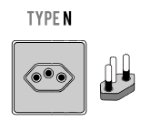
Type N Plug
Quick Specifications
- Pins:
- 3 round pins (hexagonal)
- Voltage:
- 220-240V
- Current:
- 10A/20A
- Grounding:
- Yes
- Compatibility:
- Accepts C
Global Coverage
Related Plug Types
🧳 Travel Tip
Always check voltage compatibility. Most modern electronics are dual-voltage (100-240V), but older devices may require a voltage converter.
