Type L Electric Plug - Italian Standard (CEI 23-16)
Type L Italian plug complete guide: elegant inline three-pin design. Two incompatible versions (10A and 16A). Used in Italy, San Marino, and Vatican City.
Interactive Type L Plug Animation
Key Facts
History & Development
Type L embodies Italian style meeting electrical pragmatism. Standardized in 1965 as CEI 23-16, it features three inline pins - a configuration that Italians argue is more elegant and space-efficient than other European standards. The inline design allows for narrower sockets and plugs, fitting beautifully into Italian architectural aesthetics where wall space is precious.
Italy's electrical independence wasn't accidental. Post-war Italy was asserting its industrial capability, and creating a national plug standard supported domestic manufacturers while creating a captive market. The Italian electrical industry, centered in Milan and Turin, lobbied successfully against adopting German or French standards, arguing that Italian design and engineering deserved recognition.
Uniquely, Italy standardized two incompatible versions: 10A (with 4mm pins) for normal use and 16A (with 5mm pins and wider spacing) for high-power appliances. This dual system confuses visitors but makes perfect sense to Italians - why have one solution when you can have two? It reflects Italian philosophy: life is complicated, deal with it.
San Marino, Vatican City, and parts of North Africa use Type L due to Italian influence. Chile and Uruguay adopted it during waves of Italian immigration, though they've since moved toward Type C. Despite EU pressure, Italy maintains Type L alongside European standards, resulting in Italian homes having multiple socket types - a uniquely Italian solution to European integration.
Detailed Technical Specifications
Dimensions
- pins10 A:
- 4.0mm diameter x 19mm, 19mm spacing
- pins16 A:
- 5.0mm diameter x 19mm, 26mm spacing
- configuration:
- Three pins in a straight line
- socket:
- Often bipasso (dual-standard)
Performance
- Standard:
- CEI 23-16/VII
- Max Power:
- 2300W at 230V (10A), 3680W (16A)
- Test Voltage:
- 2500V for 1 minute
- Temperature:
- -5°C to +40°C operating range
🌍 Real-World Usage Patterns
Most sources just list which countries use Type L, but here's the reality: not all usage is equal. This breakdown shows actual dominance in real outlets.
Traveler's Reality Check
✅ Travelers will find Type L as the dominant plug type in 1 countries. You might encounter it in 4 additional countries, but bring backup adapters.
Advantages & Disadvantages
✓ Advantages
- •Space-efficient inline design
- •Two current ratings available
- •Bipasso sockets accept multiple standards
- •Aesthetically pleasing slim profile
- •Modern versions accept Europlugs
✗ Disadvantages
- •Two incompatible Italian versions
- •Not compatible with Type E/F
- •Confusing for international visitors
- •Center pin can bend easily
- •Limited availability outside Italy
Evolution & Modern Developments
Type L evolution reflects Italian adaptability. The 1990s brought "bipasso" sockets accepting both 10A and 16A Type L plugs. Modern "universal" Italian sockets accept Type L, C, E, and F - an engineering marvel of compatibility that only Italians could design and actually use daily.
Italy now requires Type F (Schuko) in new installations alongside Type L, creating a transitional period expected to last generations. Italian manufacturers produce elegant designer sockets that handle multiple standards while looking like art pieces - function following form in true Italian style.
All 5 Countries Using Type L
south-america (1 countries)

africa (1 countries)

europe (3 countries)


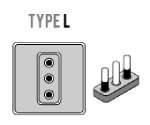
Type L Plug
Quick Specifications
- Pins:
- 3 round pins (inline)
- Voltage:
- 220-240V
- Current:
- 10A/16A
- Grounding:
- Yes
- Compatibility:
- Accepts C, bipasso accepts both
Global Coverage
Related Plug Types
🧳 Travel Tip
Always check voltage compatibility. Most modern electronics are dual-voltage (100-240V), but older devices may require a voltage converter.
