North America Electric Plug Types
North America stands as a beacon of electrical standardization, where travelers can journey from the Arctic Circle to the Panama Canal using the same Type A and Type B plugs throughout their entire journey.
This remarkable consistency across 23 countries stems from early 20th-century American industrial influence and the NEMA standards that spread throughout the continent through trade and economic partnerships.
However, North America's 120V/60Hz system sets it apart from most of the world, creating a unique electrical island where visitors from Europe, Asia, and Africa must adapt not just their plugs but often their voltage expectations.
Whether you're road-tripping Route 66, exploring ancient Mayan ruins, or witnessing the Northern Lights in Canada, the continent's electrical uniformity is one less thing to worry about – though international visitors should pack those voltage converters alongside their adapters.
Interactive North America Map
Plug Types Used in North America
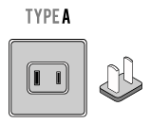
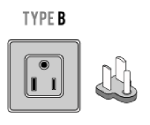
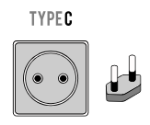
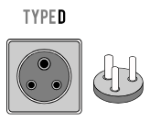
Interactive Demonstration - Most Common North America Plugs
Type A - North American/Japanese 2-pin
Type A electrical plug features two flat parallel blades and is the standard ungrounded plug used in North America, Central America, and Japan. This plug design dates back to 1904 and remains one of the most widely used plug types globally.

Type B - North American/Japanese 3-pin grounded
Type B electrical plug is the grounded version of Type A, featuring two flat parallel blades plus a round grounding pin. This three-prong plug provides additional safety through its ground connection and is the standard grounded plug in North America.

🌍 Real-World Usage Patterns Across North America
Colonial history and trade relationships shaped North America's electrical landscape. Here's the practical reality of what plugs you'll actually encounter:
Type B
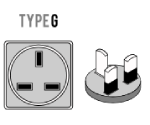
18 countriesType G
5 countriesType A
18 countriesType C
1 countriesColonial & Historical Influences
🍁 North American electrical unity reflects successful regional standardization. Type A/B systems span from Canada to Panama, creating the world's most unified continental electrical system despite Mexico's mixed voltage standards.
Overview
North American electrical systems evolved from early American and Canadian standards that spread south through economic and technical influence. The NEMA (National Electrical Manufacturers Association) standards dominate, creating plug compatibility from Canada to Central America.
Recommended Adapter
No adapters needed within North America - Type A/B plugs work from Canada to Panama. Visitors from other continents need Type A/B adapters.
⚡ Voltage Warning
Consistent 120V across region (except some industrial applications). Visitors from 220-240V countries need voltage converters for non-dual-voltage devices.
Transportation & Power Access
🚂 Trains
Amtrak and VIA Rail provide power outlets at most seats. Commuter trains increasingly offer USB charging.
🚌 Buses
Greyhound and major carriers provide power outlets. Regional buses vary in amenities.
✈️ Airports
All major airports have abundant power outlets, including USB charging stations.
🏨 Hotels
No adapter services needed - all outlets match regional standard Type A/B plugs.
All North America Countries
| Country | Plug Types | Voltage | Frequency | Description |
|---|---|---|---|---|
 Bahamas Bahamas | Type B, Type A | 120V | 60Hz | Bahamas uses Type B, Type A electrical outlets with 120V at 60Hz frequency. Standard North American electrical system with grounded and ungrounded outlets. Most modern electronics work without adapters. |
 Barbados Barbados | Type B, Type A | 115V | 50Hz | Barbados uses Type B, Type A electrical outlets with 115V at 50Hz frequency. Standard North American electrical system with grounded and ungrounded outlets. Most modern electronics work without adapters. |
 Belize Belize | Type B, Type A | 110V | 60Hz | Belize uses Type B, Type A electrical outlets with 110V at 60Hz frequency. Standard North American electrical system with grounded and ungrounded outlets. Most modern electronics work without adapters. |
 Canada Canada | Type B, Type A | 120V | 60Hz | Canada uses Type B, Type A electrical outlets with 120V at 60Hz frequency. Standard North American electrical system with grounded and ungrounded outlets. Most modern electronics work without adapters. |
 Costa Rica Costa Rica | Type B, Type A | 120V | 60Hz | Costa Rica uses Type B, Type A electrical outlets with 120V at 60Hz frequency. Standard North American electrical system with grounded and ungrounded outlets. Most modern electronics work without adapters. |
 Cuba Cuba | Type A, Type B, Type C | 110V | 60Hz | Cuba uses Type A, Type B, Type C electrical outlets with 110V at 60Hz frequency. Standard North American electrical system with grounded and ungrounded outlets. Most modern electronics work without adapters. |
 Dominica Dominica | Type G | 230V | 50Hz | Dominica uses Type G electrical outlets with 230V at 50Hz frequency. British-style three-pin system with built-in fuses for enhanced safety. Distinctive rectangular pins require specific adapters. |
 Dominican Republic Dominican Republic | Type B, Type A | 110V | 60Hz | Dominican Republic uses Type B, Type A electrical outlets with 110V at 60Hz frequency. Standard North American electrical system with grounded and ungrounded outlets. Most modern electronics work without adapters. |
 El Salvador El Salvador | Type B, Type A | 115V | 60Hz | El Salvador uses Type B, Type A electrical outlets with 115V at 60Hz frequency. Standard North American electrical system with grounded and ungrounded outlets. Most modern electronics work without adapters. |
 Grenada Grenada | Type G | 230V | 50Hz | Grenada uses Type G electrical outlets with 230V at 50Hz frequency. British-style three-pin system with built-in fuses for enhanced safety. Distinctive rectangular pins require specific adapters. |
 Guatemala Guatemala | Type B, Type A | 120V | 60Hz | Guatemala uses Type B, Type A electrical outlets with 120V at 60Hz frequency. Standard North American electrical system with grounded and ungrounded outlets. Most modern electronics work without adapters. |
 Haiti Haiti | Type A, Type B | 110V | 60Hz | Haiti uses Type A, Type B electrical outlets with 110V at 60Hz frequency. Standard North American electrical system with grounded and ungrounded outlets. Most modern electronics work without adapters. |
 Honduras Honduras | Type B, Type A | 120V | 60Hz | Honduras uses Type B, Type A electrical outlets with 120V at 60Hz frequency. Standard North American electrical system with grounded and ungrounded outlets. Most modern electronics work without adapters. |
 Jamaica Jamaica | Type B, Type A | 110V | 50Hz | Jamaica uses Type B, Type A electrical outlets with 110V at 50Hz frequency. Standard North American electrical system with grounded and ungrounded outlets. Most modern electronics work without adapters. |
 Mexico Mexico | Type B, Type A | 127V | 60Hz | Mexico uses Type B, Type A electrical outlets with 127V at 60Hz frequency. Standard North American electrical system with grounded and ungrounded outlets. Most modern electronics work without adapters. |
 Nicaragua Nicaragua | Type B, Type A | 120V | 60Hz | Nicaragua uses Type B, Type A electrical outlets with 120V at 60Hz frequency. Standard North American electrical system with grounded and ungrounded outlets. Most modern electronics work without adapters. |
 Panama Panama | Type B, Type A | 120V | 60Hz | Panama uses Type B, Type A electrical outlets with 120V at 60Hz frequency. Standard North American electrical system with grounded and ungrounded outlets. Most modern electronics work without adapters. |
 Saint Kitts and Nevis Saint Kitts and Nevis | Type G, Type D | 230V | 60Hz | Saint Kitts and Nevis uses Type G, Type D electrical outlets with 230V at 60Hz frequency. British-style three-pin system with built-in fuses for enhanced safety. Distinctive rectangular pins require specific adapters. |
 Saint Lucia Saint Lucia | Type G | 240V | 50Hz | Saint Lucia uses Type G electrical outlets with 240V at 50Hz frequency. British-style three-pin system with built-in fuses for enhanced safety. Distinctive rectangular pins require specific adapters. |
 Saint Vincent and the Grenadines Saint Vincent and the Grenadines | Type G, Type A, Type B | 230V | 50Hz | Saint Vincent and the Grenadines uses Type G, Type A, Type B electrical outlets with 230V at 50Hz frequency. Standard North American electrical system with grounded and ungrounded outlets. Most modern electronics work without adapters. |
 Trinidad and Tobago Trinidad and Tobago | Type B, Type A | 115V | 60Hz | Trinidad and Tobago uses Type B, Type A electrical outlets with 115V at 60Hz frequency. Standard North American electrical system with grounded and ungrounded outlets. Most modern electronics work without adapters. |
 United States United States | Type B, Type A | 120V | 60Hz | United States uses Type B, Type A electrical outlets with 120V at 60Hz frequency. Standard North American electrical system with grounded and ungrounded outlets. Most modern electronics work without adapters. |
Frequently Asked Questions
Why does North America use 120V when most of the world uses 220-240V?
North America adopted 120V in the early 1900s as a compromise between safety and efficiency. The lower voltage reduces electrocution risk for household use, while 240V is available for high-power appliances like dryers and ovens. This dual-voltage system became the regional standard.
Are plugs the same throughout North America?
Yes - Type A (2-pin) and Type B (3-pin with ground) plugs are standard from Canada to Panama. This remarkable standardization makes travel throughout the region extremely convenient for electrical device compatibility.
Do I need adapters traveling within North America?
No adapters needed for travel within North America. All countries use compatible Type A/B outlets. The only consideration is ensuring your devices work with 120V power (most modern electronics are dual-voltage).
How reliable is electricity across North America?
Generally excellent: USA and Canada have world-class grid reliability. Mexico has good infrastructure in urban areas, variable in rural regions. Central American countries vary significantly - Costa Rica and Panama have better infrastructure than Guatemala or Honduras.
What about RV and camping electrical systems?
North American RVs use specialized 30-amp and 50-amp connectors for high-power applications, plus standard Type A/B outlets for regular devices. Most campgrounds provide these specialized RV connections alongside standard outdoor outlets.
Did You Know?
💡 The United States has the world's largest electrical grid, with over 450,000 miles of high-voltage transmission lines
💡 Canada generates about 60% of its electricity from hydroelectric power, one of the highest percentages globally
💡 Mexico is rapidly expanding renewable energy, aiming for 35% clean electricity by 2024
💡 The North American electrical grid is actually three interconnected grids: Eastern, Western, and Texas
💡 Costa Rica runs almost entirely on renewable electricity - over 99% in recent years
💡 The 2003 Northeast blackout affected 55 million people across the USA and Canada, highlighting grid interconnection
Electrical History
Thomas Edison's original DC system influenced early American electrical development. The adoption of 120V AC became the North American standard, spreading to Canada and Mexico through industrial cooperation. Central American countries adopted these standards through American economic influence.
Cultural Context
North American electrical usage is among the world's highest per capita. Air conditioning is standard in most buildings. Electric vehicle charging infrastructure expanding rapidly, especially in California and urban areas.
Seasonal Considerations
Summer air conditioning creates peak demand across the region. Winter heating varies from electric (south) to gas/oil (north). Hurricane season affects Caribbean and Gulf Coast infrastructure.
Countries Grouped by Plug Type
Type B, Type A (15 countries)
Type G (3 countries)
Type A, Type B, Type C (1 countries)
Type A, Type B (1 countries)
Type G, Type D (1 countries)
Type G, Type A, Type B (1 countries)
North America Travel Summary
Key Facts
- • 22 countries across North America
- • 5 plug types in use: A, B, C, D, G
- • Voltage range: 110V - 240V
- • Frequency: 50Hz (60Hz in some regions)
Travel Recommendation
No adapters needed within North America - Type A/B plugs work from Canada to Panama. Visitors from other continents need Type A/B adapters.⚡ Consistent 120V across region (except some industrial applications). Visitors from 220-240V countries need voltage converters for non-dual-voltage devices.